START BY BODY REGION
Hip & pelvis
Compare hip motion and side-to-side control, then connect the result to squatting, hinging, balance, or walking.
This is a starting map, not a diagnosis. Choose the resource that best matches your current goal and stop if symptoms worsen.
Follow a progression
Related programs
Explore published programs for this area. Review current details and pricing on each program page.
Try a focused starting point
Articles & recipes
Published learning resources for this area, maintained in our article library.
Asymmetric Weight Shift
People rarely load both sides exactly equally. A weight shift becomes useful to explore when it is new, painful, difficult to control, or clearly limits a task.
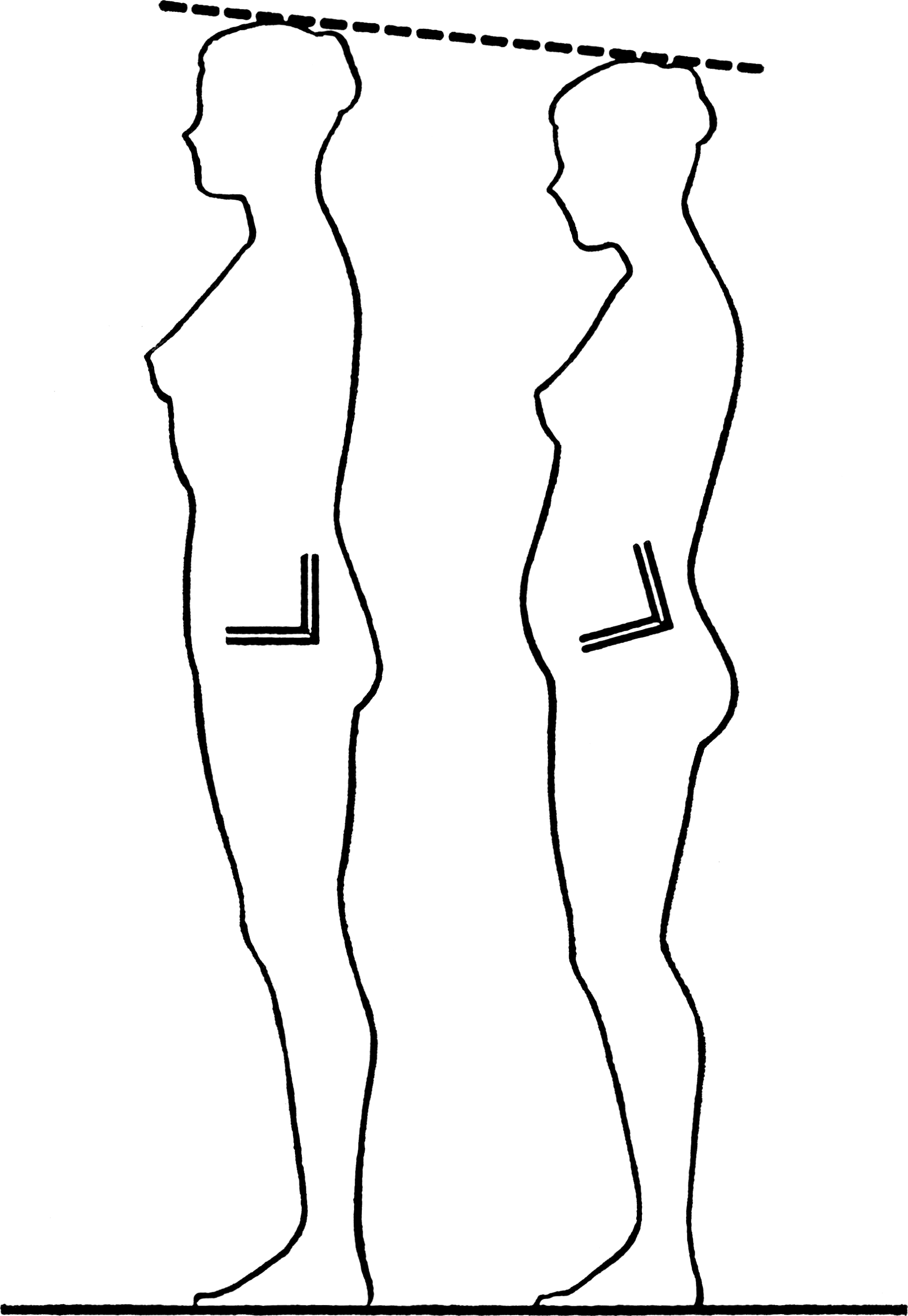
Excessive Anterior Pelvic Tilt
An anterior pelvic tilt is an observation that can vary with stance, anatomy, breathing, and the task. Focus on comfort, function, and change after movement rather than appearance alone.
Excessive Forward Trunk Lean
Forward trunk lean can be an efficient strategy depending on body proportions, load, and task. Explore it when the position is uncomfortable, difficult to control, or limits the activity you want to perform.
Excessive Posterior Pelvic Tilt
A posterior pelvic tilt can appear during sitting, standing, or loaded movement and may be a normal task strategy. Explore alternatives when it is paired with discomfort, stiffness, or reduced movement options.
Feet Turn Out
Feet may point outward because of anatomy, habit, stance width, available ankle motion, or the task. A turned-out foot is not automatically a fault that needs correction.
Knee Dominance
A knee-dominant strategy is one valid way to squat or step. It becomes worth exploring when it is paired with pain, limited options, poor control, or difficulty meeting the task.
Rib Flare
The lower ribs may appear prominent because of anatomy, breathing strategy, trunk position, or the task. Appearance alone is not a diagnosis; focus on comfort, breathing ease, and movement choices.
Valgus Knee (Knee Moving Inward)
The knee may move inward during many normal tasks. The observation matters most when it is linked to pain, instability, a large side-to-side difference, or reduced task tolerance.
Varus Knee (Knee Moving Outward)
An outward knee position can reflect anatomy, stance, task strategy, or load. It is not automatically a problem; explore it when paired with pain, instability, or reduced function.
Understand symptoms and injuries
Hip & pelvis condition guides
Review educational references related to this area, including common presentations, screening considerations, and signs that may need professional assessment.
Understand the anatomy
Hip & pelvis muscle dictionary
Explore the anatomy, attachments, actions, and source-linked illustrations for this region.

Muscle group · 13 muscles
Pelvic floor
Representative muscle: Levator ani
Explore muscles
Muscle group · 8 muscles
Hip and pelvis
Representative muscle: Gluteus maximus
Explore muscles
Muscle group · 6 muscles
Deep hip rotators
Representative muscle: Piriformis
Explore muscles
Muscle group · 2 muscles
Anterior thigh
Representative muscle: Rectus femoris
Explore muscles
Muscle group · 6 muscles
Medial thigh
Representative muscle: Adductor longus
Explore muscles
Muscle group · 3 muscles
Posterior thigh
Representative muscle: Biceps femoris
Explore musclesWant the complete anatomy library?