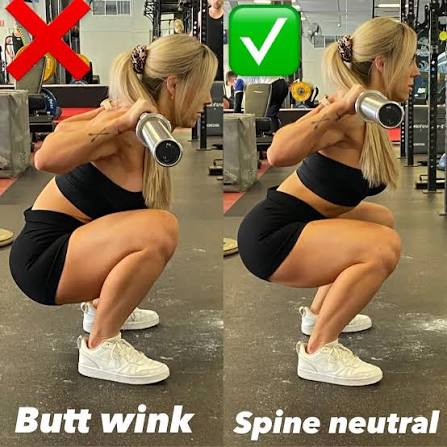
Quick movement check
- Sit near the front of a stable chair with the feet supported.
- Gently explore a small forward and backward pelvic roll.
- Find a comfortable middle area without bracing or holding the breath.
- Stand and compare a small hip hinge or squat.
Movement options
- Seated pelvic exploration: slowly move between a small forward and backward roll, then relax in the middle.
- Supported hip hinge: move the hips toward a wall while allowing the spine to stay comfortable.
- Bridge: lift only through a range that avoids cramping, pain, or excessive bracing.
- Chair-height experiment: adjust seat height or use a cushion and compare ease of sitting and standing.
Reassess
Return to the original sitting, squat, or hinge task. Keep the movement option only if it improves comfort, ease, or confidence.
Examine broad low back pain recommendationsExamine low back pain evidence and limitations