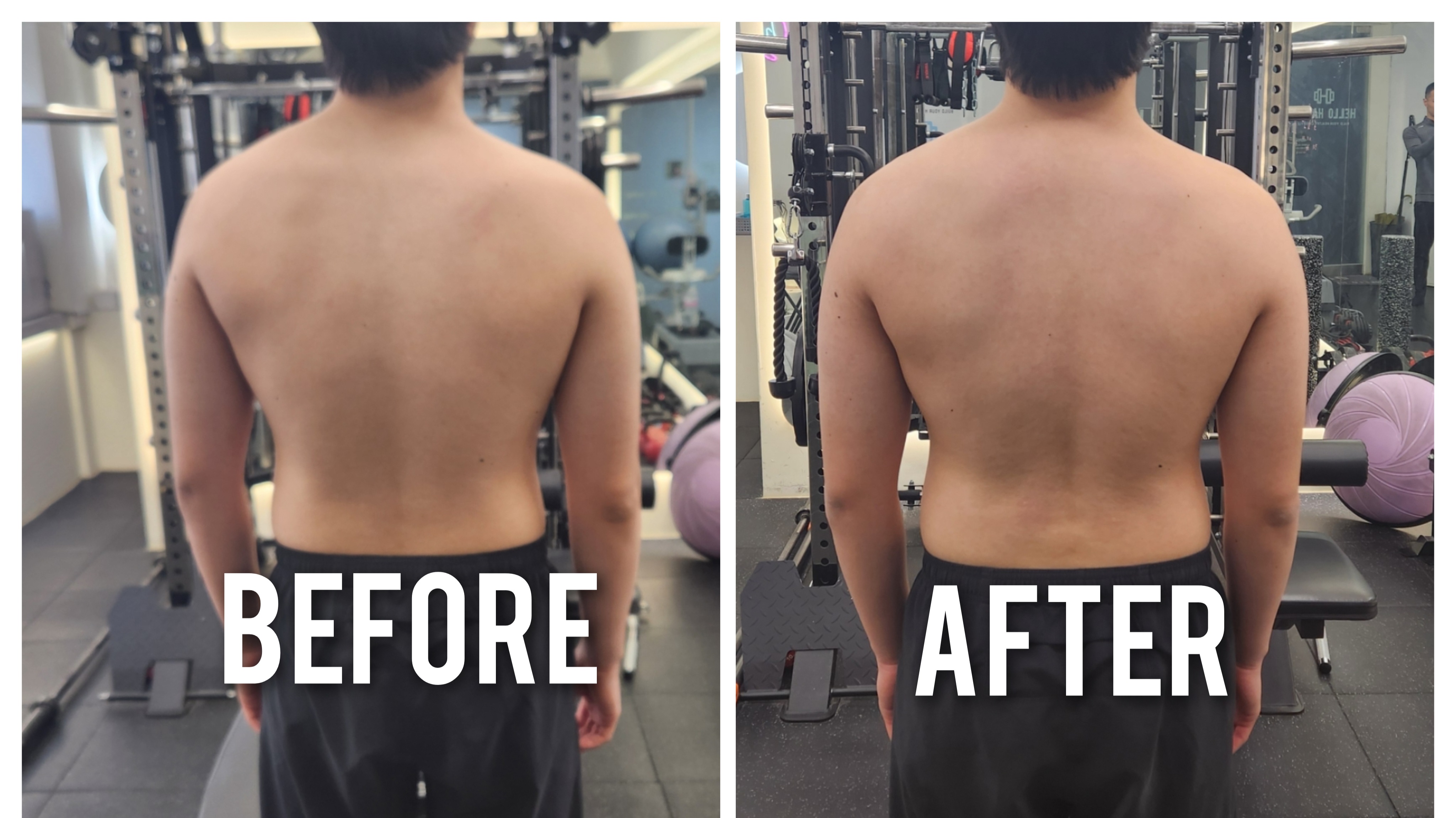
Quick movement check
- Raise both arms only through a comfortable range.
- Notice neck effort, breath holding, pain, and side-to-side differences.
- Repeat with the forearms supported on a wall.
- Compare whether support improves ease or range without forcing the shoulders downward.
Movement options
- Forearm wall slide: gently slide upward while allowing the shoulder blades to rotate and the neck to stay relaxed.
- Supported reach: rest the forearm on a surface and reach forward without holding the breath.
- Light carry: hold a light object at the side and walk slowly without deliberately depressing the shoulder.
- Easy neck rotation: turn left and right through a comfortable range between reaching sets.
Reassess
Repeat the original reach or carry. Keep the option if it improves comfort, range, confidence, or neck relaxation.
Examine shoulder rehabilitation evidenceExamine neck pain evidence and limitations